Alternative Health
Antioxidants Videos
The building block nutrients of antioxidant enzymes include the minerals manganese, zinc, and copper for SOD and selenium for glutathione peroxidase. In addition to antioxidant enzymes, many vitamins and minerals may also have antioxidant properties. These include vitamins C, E, A (beta-carotene) and nutrients such as lutein, lycopene, vitamin B2, coenzyme Q10, and cysteine (an amino acid).

Herbal antioxidants are of course found in fresh produce, fruits, and vegetables. A large number of members of the berry family are excellent sources of herbal antioxidants. In fact, most herbal antioxidants you find sold in health food stores today are comprised mainly of berry extracts. Studies have shown that berries are rich in certain herbal antioxidants that help reduce atherosclerosis by acting on the agents that causes the clogging and the hardening of the arteries.

Our cells need oxidation in order to undergo metabolism of fats and glucose so they can turn into heat and energy. Oxidation is a vital part of life. But as vital as oxidation is, it can also have some negative effects on the body. During the process of oxidation, highly unstable substances called free radicals are produced.
Antioxidant enzymes work in several ways. For one, they may reduce the energy of the free radical or give up some of their electrons for its use, thereby causing it to become stable. Antioxidant enzymes may also stop the free radical from forming in the first place. In addition, they may also interrupt an oxidizing chain reaction to minimize the damage caused by free radicals.

Beta-carotene antioxidant supplements generally come from orange, yellow, and green leafy vegetables and fruit. It has been observed that people who eat a lot of foods rich in beta-carotene are not generally prone to cancer. However, the beta-carotene antioxidant supplements didn't last that long in the industry.

This is where the antioxidant comes in to break the chain reaction of free radicals turning other molecules into free radicals like them. Chain-breaking is also called Stabilization. The other aspect is more on the preventive side. Antioxidant enzymes like superoxide dismutase, catalase, and glutathione peroxidase prevent oxidation by reducing the rate of chain initiation.

Vitamins C and E were the next contenders but again, studies showed mixed results. Although Vitamin C antioxidant supplements didn't look as though it could reduce the risk of cancer or heart disease, it didn't have any adverse effects either. In fact, Vitamin C might even provide some protection against loss of sight associated with cataracts in older people.
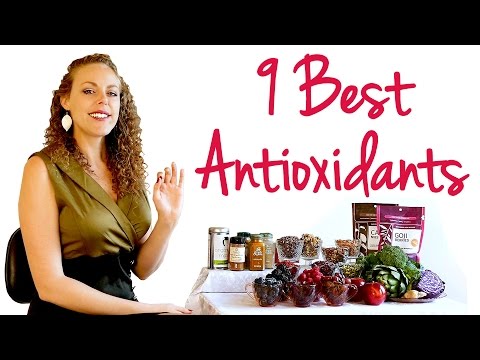
In this article, we will attempt to answer all your questions about antioxidant and free radicals, plus help you understand why it is so important to include rich sources of antioxidant nutrients in your daily diet. A Little Background on Chemical Bonding When talking about antioxidant and free radicals, we can't help but touch a little on biochemistry.
To achieve maximum stability, free radicals therefore steal electrons from other molecules around them and in so doing, destroy the cell membranes and weaken the cell. Free radicals cause a chain reaction of "electron stealing" because the minute they start taking away electrons from other molecules, those molecules become free radicals themselves.

Unfortunately, human beings are one of the few animal species that do not produce their own antioxidants. That is why we depend so much on our diet for our source of antioxidants. In the study about antioxidant juice from pomegranates, researchers have found that the substance can effectively reverse the progression of atherosclerosis, or the hardening of the arteries.

Fruits and vegetables it seemed contain chemical substances that act on specific, harmful molecules inside our bodies to stop them from damaging our cells. Because these substances work on oxygen by-products called free radicals, they have since come to be known as natural antioxidants. A natural antioxidant protects the body against free radicals.

ನಿಮ್ಮ ಯೌವ್ವನವನ್ನು ಎದ್ದೇಳಿಸುವ 2 ಸೊಪ್ಪುಗಳು 3 ಬೀಜಗಳು 2 ಕಾಯಿಗಳು Antioxidants for Good Health & Longevity
These byproducts, called free radicals, are highly reactive substances that may cause damage to cells. The antioxidant substances found in antioxidant fruits may work to neutralize these free radicals and in the process prevent them from causing damage. Antioxidant Fruits: The Benefits Many people are already familiar with antioxidant fruits, such as citrus fruits which are known for their high vitamin C content or apples for their beta-carotene.
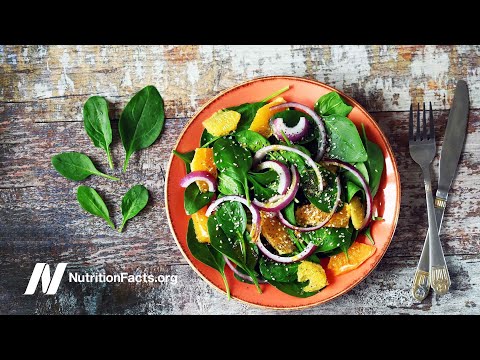
Vitamins C and E were the next contenders but again, studies showed mixed results. Although Vitamin C antioxidant supplements didn't look as though it could reduce the risk of cancer or heart disease, it didn't have any adverse effects either. In fact, Vitamin C might even provide some protection against loss of sight associated with cataracts in older people.
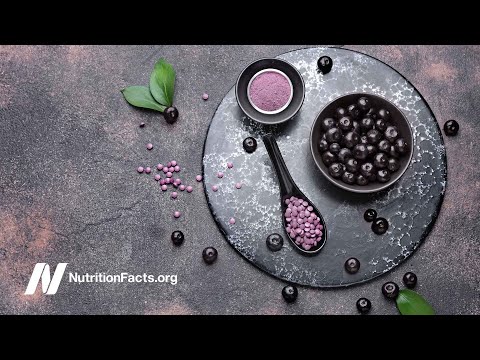
With the use of a much more precise method than the one used in 1999, the study found that the dietary antioxidants found in honey are equal to those in many fruits and vegetables in their ability to counter the degenerating activity of highly reactive molecules known as free radicals. "It's still too early to say definitely, but honey seems to have potential to serve as a dietary antioxidant," Engeseth said.
Red wine has always been considered more beneficial compared to white wine in preventing heart disease. Apparently, the antioxidant red grapes are the reason for that since red wine is fermented with the seeds while white wine is not. This most recent discovery of significant antioxidant red grapes adds to the growing reputation of the red grape as a healthful food.
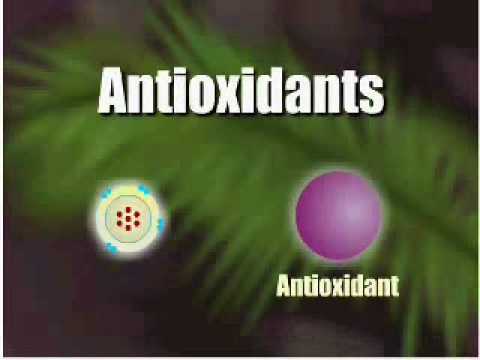
Oxidation causes the production of substances called free radicals which are highly reactive. These free radicals can readily react with and damage other molecules. Note that it says "molecules" so that means free radicals don't make the distinction between foreign bodies and healthy cells.
However, because of their high reactivity, free radicals often participate in unwanted side reactions resulting in cell damage. Many forms of cancer are thought to be the result of reactions between free radicals and DNA, resulting in mutations that can adversely affect the cell cycle and potentially lead to malignancy.

Scientists point out that this might be because consuming antioxidant fruits in food may provide a combination of lesser-known but potent antioxidant substances, which may afford greater effect than that of any single nutrient or individual antioxidant supplement. In a recent issue of the Journal of Nutrition, the total antioxidant content of several antioxidant fruits, including fruits, berries, vegetables, cereals, nuts, and legumes, was analyzed.

Therefore, while antioxidants can be found in many fresh fruits and vegetables, it still pays to take antioxidant dietary supplement along with your food. Vitamin C antioxidant dietary supplement is perhaps the most famous form of antioxidant available. Also known as ascorbic acid, bottles of this antioxidant dietary supplement can be found in any pharmacy or health food store.

First is the chain-breaking. This is where the antioxidant comes in to break the chain reaction of free radicals turning other molecules into free radicals like them. Chain-breaking is also called Stabilization. The other aspect is more on the preventive side. Antioxidant enzymes like superoxide dismutase, catalase, and glutathione peroxidase prevent oxidation by reducing the rate of chain initiation.
As an antioxidant, the flax oil's lignans can help boost the body's immune system, keeping harmful, disease-causing germs from damaging the cells. These plant hormones are also believed to block the formation of hormone-based tumors. Lignans also boost the productions of a substance attached to estrogen and carries it out of the body.
Natural Antioxidant For years now, man has been dependent on nature for his source of nutrients essential for his health. Plants are where we get most of our foods and our medicines, relying on them almost entirely for developing our bodies to their full potential and at the same time reducing the causes of degenerative diseases.

There is growing evidence that the production of reactive oxygen species (ROS), including free radicals, is behind the aging process and initiation of age-related disease. The reason free radicals are highly unstable is that they have an unpaired electron which they try to recompense by stealing an electron from a stable molecule.
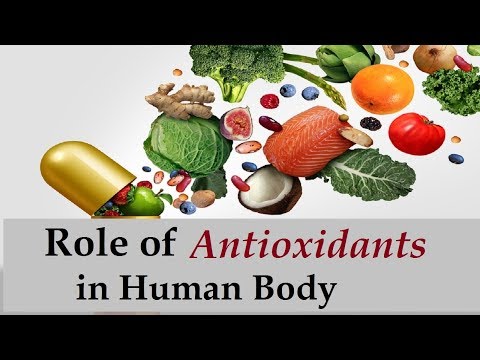
For the past decade, countless studies have been devoted to the beneficial effects of antioxidant enzymes. It has been found that a substantial link exists between free radicals and more than sixty different health conditions, including the aging process, cancer, and atherosclerosis. By reducing exposure to free radicals and increasing the intake of antioxidant enzyme rich foods or antioxidant enzyme supplements, your body's potential to reducing the risk of free radical-related health problems is made more palpable.
Page 1 of 5