Alternative Health
Antioxidants Videos - Page 2 of 5

Oxidation is a process that naturally occurs in the body and a natural consequence of it are the radical particles that have since been dubbed as "free radicals." Scientists point to these so-called free radicals as the culprits when it comes to most degenerative diseases. Free radicals are blamed for even the simplest of illnesses, such as colds.

Because of this function, herbal antioxidants are said to play a role in the prevention and potential cure of various degenerative diseases such as cancer, Alzheimer's, heart disease, rheumatoid arthritis, atherosclerosis, and several others. If there is one other thing you need to know about herbal antioxidants, it is that they are not naturally found in the body.
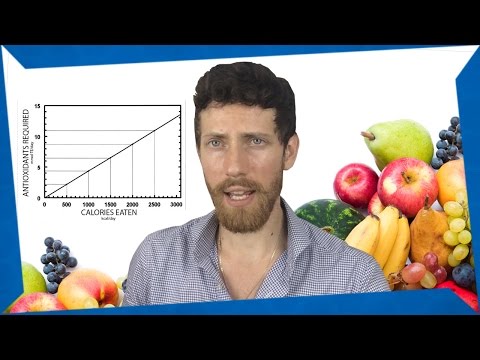
Antioxidant enzymes are chemical substances found in plants that act on free radicals. Antioxidant enzymes work in several ways. For one, they may reduce the energy of the free radical or give up some of their electrons for its use, thereby causing it to become stable. Antioxidant enzymes may also stop the free radical from forming in the first place.

In a recent issue of the Journal of Nutrition, the total antioxidant content of several antioxidant fruits, including fruits, berries, vegetables, cereals, nuts, and legumes, was analyzed. According to their findings, the overall best sources of antioxidant fruits under the berry category are dog rose, sour cherry, blackberry, strawberry, raspberry, crowberry, blueberry, and black currant.

Herbal Antioxidant The process of oxidation is where it all begins. The minute your body starts to process oxygen in order to produce energy is the first step to potentially developing a disease or starting the slow process of aging. It's normal and it is a part of life. Certainly, it can't be completely dispelled.

Because it is the nature of free radicals, which is basically an atom with an unpaired electron, to achieve stability, they will try to do so by capturing the needed electron from other molecules. When the free radicals steel electrons from a stable molecule, that molecule will become a free radical itself, beginning a chain reaction.
People who eat more foods rich in Vitamin E tend to have reduced risk of heart disease. Antioxidant supplements have been available for years now and while they can't substitute for a healthy diet and lifestyle, they do play a role in reinforcing your overall health and resilience. It is best to take antioxidant supplements in the form of combination products.

During the process of oxidation, highly unstable substances called free radicals are produced. These free radicals react with other molecules in the cell by stealing their electrons and turning them into free radicals like themselves. When this happens, a chain reaction is created, one that when accumulated could result in massive cell damage.

7 GREAT RAW EGGS Benefits, Have 30% MORE Carotenoid Antioxidants, STRONG Cancer-Fighting Properties?
However, there are also other fruits and vegetables that may contain more essential benefits to our health. One such food product is flax seed where we get the beneficial flax oil. What is Flax Oil? Flax oil is the essential oil that is derived from flax seeds, which are a great source of fiber. Flax seed have been used long before as an herbal remedy that is good for digestion.
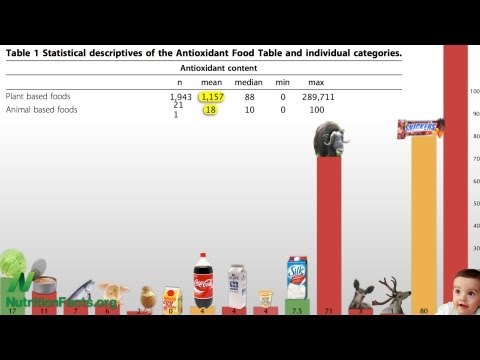
Antioxidants are believed to play an important role in preventing the development of such chronic illnesses as heart disease, stroke, cancer, Alzheimer's disease, Rheumatoid arthritis, and cataracts. Although antioxidants cannot completely rid our bodies of free radicals, they can however work to retard or minimize the damage caused.

The best way to lay an antioxidant-rich foundation that's inhospitable to toxins and free radicals is through a combination of whole foods. With antioxidant supplements still far from the high expectations of the scientific community, you can in the meantime turn to the more reliable source of these helpful compounds, which are antioxidant foods.

One of the many functions of natural antioxidants is to work against the formation of cellular damage caused by free radicals. Free radicals are highly reactive chemical substances which are produced whenever our body undergoes the process of oxidation, e.g. breathing. When free radicals are released, they immediately latch unto other molecules, stealing their electrons and in so doing, turning them into unstable molecules like themselves.
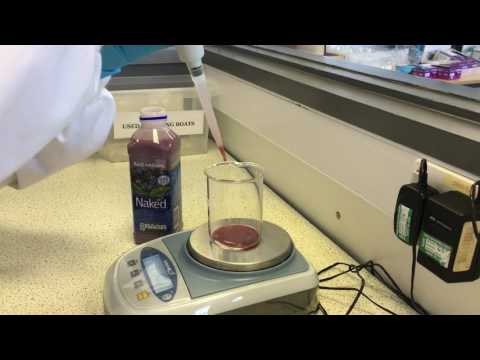
One of the studies shows that part of the dietary antioxidant qualities of honey has preservative properties that work on meat without compromising the taste. Based on a work done on human blood in the lab, a recently published study says that the dietary antioxidants present in honey slow the oxidation of low density lipoproteins (LDL).

Afterwards, they then compared the effects of the new antioxidant red grapes compound to the more popular antioxidants - vitamins E, C, and beta-carotene. Lead researcher of the Creighton team, Dr. Debasis Bagchi, announced that Activin seemed to exhibit more powerful potential compared to the other antioxidants.

Previous studies have shown that antioxidant vitamins, such as vitamin E, vitamin C, and beta carotene (a from of vitamin A), have potential health-promoting properties. The data on antioxidant vitamins is incomplete for the most part but up to 30 percent of Americans are already taking some form of antioxidant vitamin supplement along with their diet.

Chain-breaking is also called Stabilization. The other aspect is more on the preventive side. Antioxidant enzymes like superoxide dismutase, catalase, and glutathione peroxidase prevent oxidation by reducing the rate of chain initiation. This time, instead of waiting for the free radicals to make a long chain of free radicals, antioxidants scavenge initiating radicals and destroy them before oxidation is set in motion.
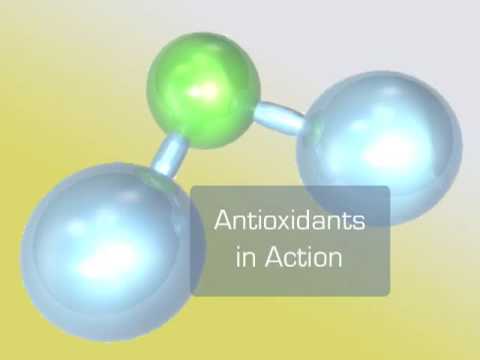
"This is significant because free radicals can destroy cell membranes and damage DNA, and may be a root cause of certain types of cancer, heart disease, and even the aging process itself." The findings of this study on antioxidant red grapes may also help explain the scientific logic behind the French paradox - why the French have less risk of heart disease even when they eat the richest types of food.
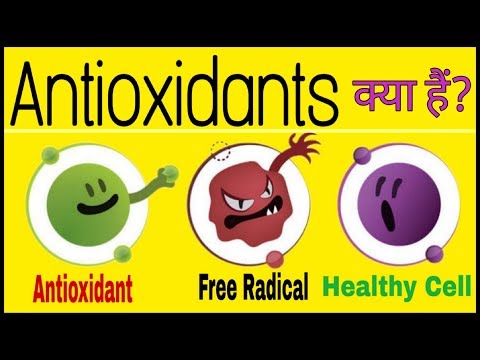
To make up for their shortage in electrons, these free radicals will react with certain chemicals in the body, and in so doing, they interfere with the cell's ability to function normally. But just as the body naturally produces free radicals, it also has a means to defend against its harmful effects.

Blueberries and cranberries are usually the fruits that are often touted by nutrition scientists as the top antioxidant rich foods. In the vegetable variety, russet potatoes, red beans, and red cabbage are topping the list as well. However, there are also other fruits and vegetables that may contain more essential benefits to our health.

Debasis Bagchi, announced that Activin seemed to exhibit more powerful potential compared to the other antioxidants. "Our studies show that Activin is a more potent antioxidant than vitamins C, E, and beta-carotene - up to seven times more potent," Bagchi said when he reported the findings of their study at the Experimental Biology conference in New Orleans.

We hear them mentioned all the time whenever there's a new scientific study being released in the American Health Journal or some such explaining how antioxidant juice from berries can aid in liver function or how antioxidant juice from red wine is the scientific reason behind the French paradox. Antioxidants, it seems, have far more benefits than we realize.
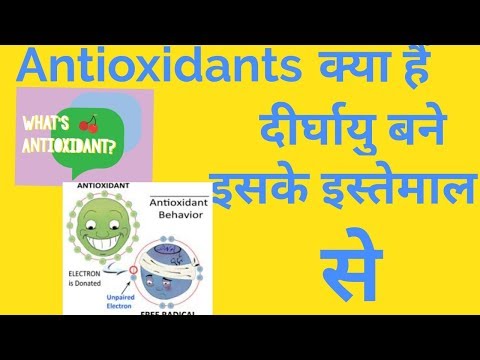
The two most important oxygen-centered free radicals are superoxide and hydroxyl radical. They are derived from molecular oxygen under reducing conditions, such as when a person breathes. However, because of their high reactivity, free radicals often participate in unwanted side reactions resulting in cell damage.

These free radicals react with other molecules in the cell by stealing their electrons and turning them into free radicals like themselves. When this happens, a chain reaction is created, one that when accumulated could result in massive cell damage. The Benefits of Super Antioxidants The job of super antioxidants is to hunt down free radicals but not to eliminate them.

The function of antioxidants is to destroy harmful free radicals, counteracting the damaging of tissues and in effect, treating aging or causing its retardation. Antioxidants are commonplace in nature. In fact, antioxidants are abundant in more common vitamins such as retinol or Vitamin A, ascorbic acid or Vitamin C, tocopherol or Vitamin E, and selenium.
Page 2 of 5