Alternative Health
Antioxidants Videos - Page 5 of 5

Once the process of free radicals formation is started, it can cascade, finally resulting in the disruption of a living cell. Antioxidants: Natural Enemies of Free Radicals Antioxidants such as vitamins C and E are thought to protect the body against the destructive effects of free radicals. What antioxidants do is neutralize the free radicals.
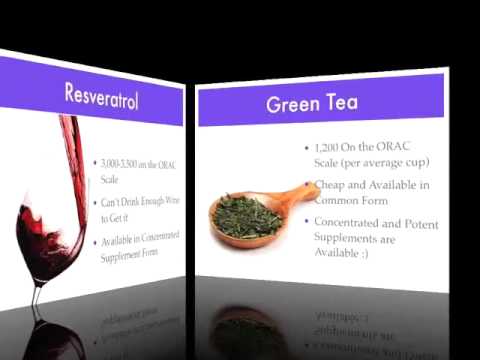
Herbal antioxidants are the body's natural defenses against harmful radicals. Their function is to stop free radicals from "attacking" other healthy molecules and causing a chain reaction. Because of this function, herbal antioxidants are said to play a role in the prevention and potential cure of various degenerative diseases such as cancer, Alzheimer's, heart disease, rheumatoid arthritis, atherosclerosis, and several others.

Antioxidant antiaging therapy is actually a combination of different therapies used to slow and/or reverse human aging. With the possible exception of longevity medicine, antioxidant antiaging is one of the fastest growing segments of medicine. How antioxidant antiaging works As you process food for energy, your body produces substances that are highly unstable.
An apple a day..." Sound familiar? While it's quite true that there's nothing healthier than including fresh produce in your diet, there is actually another reason why doctors insist on a healthy diet of fresh fruits and vegetables. The answer may lie in antioxidant foods. Antioxidant foods are powerful scavengers of free radicals.

Antioxidants are the heroes in an epic struggle against villain molecules called "free radicals." Free radicals do nothing but assault cells, turning them into molecules like themselves. This actually creates a chain reaction which could eventually lead to killer diseases such as heart disease and cancer, and even aging itself.

Scientists have linked free radicals to the development of degenerative diseases, causing massive cell damage that ultimately results in various disorders, such as cancer, Alzheimer's, Parkinson's, rheumatoid arthritis, atherosclerosis, heart disease, and much, much more. By neutralizing free radicals, antioxidants actually prevent the onset of these diseases and at the same time keep the body healthy and strong.

Consuming lots of antioxidant fruits in your diet will help boost the body's defense against free radicals and oxidative stress (damage caused by free radicals). Oxidative stress is a process which many a scientist has linked with the development of chronic and degenerative diseases such as heart disease and cancer.
How Antioxidant Foods Work Oxidation is a naturally occurring process in the body so there is really no way for us to avoid or prevent it from happening. Even the mere act of breathing causes oxidation to take place. That being said, free radicals, as by-products of oxidation, will always be present in our body.

Free radicals actually play an important role in a number of biological processes, some of which are necessary for life, such as intracellular killing of bacteria by neutrophil granulocytes. They have also been implicated in certain cell signaling processes. The two most important oxygen-centered free radicals are superoxide and hydroxyl radical.
Antioxidants, it seems, have created quite a huge wave in the scientific community that is devoting countless journals and magazine articles about their many benefits. Antioxidants are substances that work on free radicals, or more particularly work to counteract the damaging effects of these harmful oxygen byproducts.

The group of researchers who conducted the study say that a compound extracted from the seeds of red grapes called Activin (tm) is that substance with powerful antioxidant red grapes properties. Because of its apparent powerful benefits, Activin was dubbed as the "super" antioxidant red grapes.
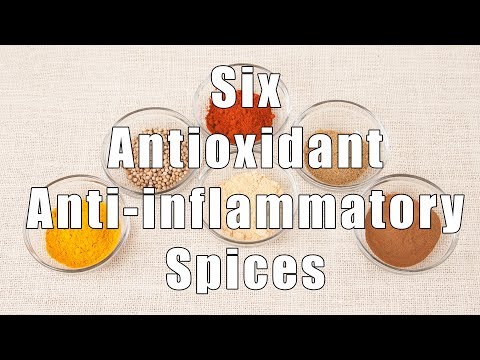
Because atoms seek to reach a state of maximum stability, an atom will try to fill its shell with electrons by: Gaining or losing electrons to either fill or empty its outer shell Sharing its electrons by bonding together with other atoms in order to complete its outer shell Free Radicals: The Formation The free radicals are formed when weak bonds between atoms are split.
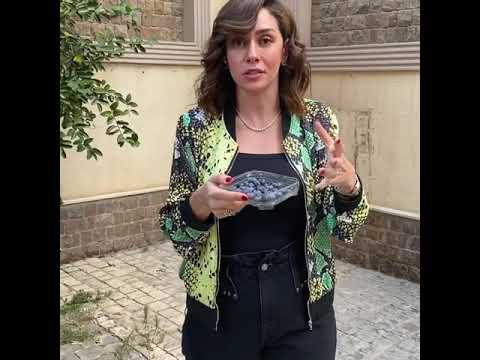
In recent studies, purple berries (such as Elderberry and black currant) are considered as the richest antioxidant foods. However, raspberries, cranberries, blueberries, and blackberries are also good antioxidant foods that are rich in proanthocyanidins which help prevent cancer and heart disease. Broccoli Another excellent antioxidant foods are green leafy vegetables.
In this article, we will attempt to answer all your questions about antioxidant and free radicals, plus help you understand why it is so important to include rich sources of antioxidant nutrients in your daily diet. A Little Background on Chemical Bonding When talking about antioxidant and free radicals, we can't help but touch a little on biochemistry.
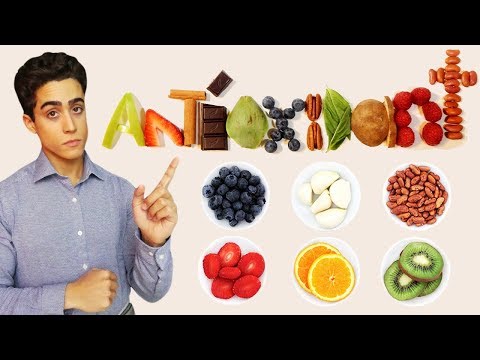
Fruit, vegetables, and cereals in your diet have additional benefits compared to taking antioxidant fruits supplements. Scientists point out that this might be because consuming antioxidant fruits in food may provide a combination of lesser-known but potent antioxidant substances, which may afford greater effect than that of any single nutrient or individual antioxidant supplement.
From preventing heart disease to slowing down degenerative diseases, to stopping cancer, to reducing blood pressure - you name it and everything points right back to antioxidants. The human body is incapable of producing its own concentration of antioxidants. For this reason, we depend solely on our diet in order to get the store of antioxidants we need to combat diseases.

This actually creates a chain reaction which could eventually lead to killer diseases such as heart disease and cancer, and even aging itself. The Top 20 list of antioxidants published in the Journal of Agricultural and Food Chemistry shows the ranks of the capacity of berry foods, fruits, and vegetables to interfere with or prevent oxidative processes where free radicals are formed.

The function of antioxidants is to destroy harmful free radicals, counteracting the damaging of tissues and in effect, treating aging or causing its retardation. Antioxidants are commonplace in nature. In fact, antioxidants are abundant in more common vitamins such as retinol or Vitamin A, ascorbic acid or Vitamin C, tocopherol or Vitamin E, and selenium.

Scientists have also pointed to free radicals as the cause of some of the symptoms of aging, such as atherosclerosis, alcohol-induced liver damage, alpha 1-antitrypsin in the lung, and even emphysema. Now, don't get this wrong. Free radicals are still necessary for life, but in order to prevent yourself from developing these diseases, you need to take action in keeping free radicals at a minimum.
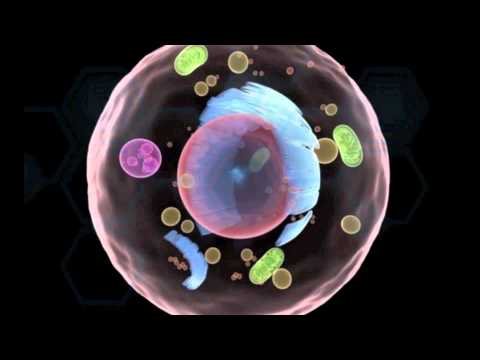
The reason free radicals are highly unstable is that they have an unpaired electron which they try to recompense by stealing an electron from a stable molecule. This actually sets off a chain reaction that can damage the body's proteins and cell membranes, weaken the cell's natural defenses, and disrupt the cell's DNA.

Published online on April 6 in the Journal of Agricultural and Food Chemistry, the newest study on dietary antioxidants was the first to look at honey's effect on human blood. With the use of a much more precise method than the one used in 1999, the study found that the dietary antioxidants found in honey are equal to those in many fruits and vegetables in their ability to counter the degenerating activity of highly reactive molecules known as free radicals.
The Benefits of Flax Oil Lignans A natural plant chemical, lignans are antioxidant molecules with anti-cancer, anti-viral, and anti-bacterial properties. Flax oil is the richest source of lignans. Diets high in lignans can lead to a lower chance of getting colon, prostate, and breast cancer. As an antioxidant, the flax oil's lignans can help boost the body's immune system, keeping harmful, disease-causing germs from damaging the cells.

One of the studies shows that part of the dietary antioxidant qualities of honey has preservative properties that work on meat without compromising the taste. Based on a work done on human blood in the lab, a recently published study says that the dietary antioxidants present in honey slow the oxidation of low density lipoproteins (LDL).

To achieve maximum stability, free radicals therefore steal electrons from other molecules around them and in so doing, destroy the cell membranes and weaken the cell. Free radicals cause a chain reaction of "electron stealing" because the minute they start taking away electrons from other molecules, those molecules become free radicals themselves.
Page 5 of 5